
Weight Loss Suppliments
MY POSTS
TH
3/13/20253 min read
Understanding Weight Loss Supplements: Efficacy, Safety, and Considerations
Introduction
The global market for weight loss supplements is vast, with consumers spending billions annually on products that promise to aid in shedding excess weight. These supplements come in various forms, including pills, powders, and gummies, each claiming unique benefits. However, amidst the myriad of options, it’s crucial to discern which supplements are effective, understand their potential side effects, and recognize that sustainable weight management often requires more than just supplementation.
What Are Weight Loss Supplements?
Weight loss supplements are products designed to support weight reduction efforts. They often contain ingredients like herbs, fibers, minerals, or hormones that purportedly influence metabolism, appetite, or fat absorption. It’s important to note that while some ingredients have shown promise in preliminary studies, many supplements lack robust clinical evidence to substantiate their claims.
Common Ingredients in Weight Loss Supplements
Caffeine: A central nervous system stimulant that can increase metabolic rate and promote fat burning in the short term. However, excessive intake may lead to side effects like insomnia, anxiety, and gastrointestinal issues.
Green Tea Extract: Rich in antioxidants, particularly catechins, which may aid in fat oxidation and thermogenesis. Some studies suggest modest weight loss benefits, but results are mixed.
Glucomannan: A water-soluble dietary fiber derived from the root of the konjac plant. It expands in the stomach, promoting a feeling of fullness. However, evidence supporting its effectiveness for weight loss is limited, and it may cause digestive issues. citeturn0search23
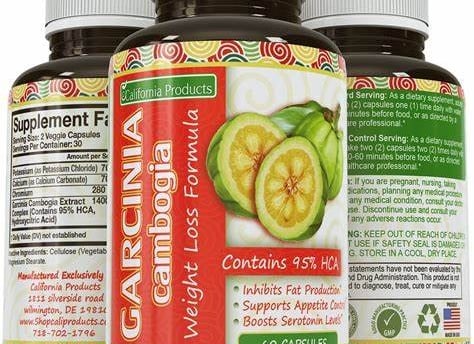
Garcinia Cambogia: A tropical fruit extract believed to inhibit fat-producing enzymes and increase serotonin levels, potentially reducing appetite. Clinical evidence is inconclusive regarding its effectiveness.
CLA (Conjugated Linoleic Acid): A fatty acid found in meat and dairy products, claimed to reduce body fat by increasing metabolic rates. Some studies show minimal effects, and potential side effects include digestive discomfort.
Forskolin: Extracted from the root of the Coleus forskohlii plant, it’s thought to aid in fat loss by increasing cellular levels of cyclic AMP. Evidence supporting its efficacy is limited.
Interested in loosing weight
Efficacy and Scientific Evidence
While certain ingredients have theoretical bases for promoting weight loss, the actual clinical evidence often falls short. For instance, studies on green tea extract and caffeine suggest modest effects on metabolism, but these are not always consistent or significant. Similarly, glucomannan may aid in satiety, but without proper hydration, it poses choking risks. citeturn0search23
It’s essential to approach these supplements with caution, as many lack rigorous testing for safety and effectiveness. Moreover, the FDA does not regulate supplements as strictly as pharmaceuticals, leading to variability in product quality.
Potential Side Effects
Weight loss supplements can have side effects, ranging from mild digestive disturbances to more severe health concerns. For example, Dexatrim products contain ingredients like caffeine and dehydroepiandrosterone (DHEA), which may cause insomnia, anxiety, and hormonal imbalances. citeturn0search24
Regulatory Considerations
In Europe and Canada, glucomannan is approved for aiding weight loss when combined with a calorie-restricted diet. However, the evidence is not robust, and products containing glucomannan carry risks if not taken with sufficient water. citeturn0search23
Consulting Healthcare Professionals
Before incorporating any supplement into your weight loss regimen, it’s crucial to consult with a healthcare provider. They can offer personalized advice based on your health status, review potential drug interactions, and help set realistic weight loss goals.
Conclusion
While the allure of quick weight loss through supplements is strong, the reality is more complex. Many products lack solid evidence supporting their effectiveness and may pose health risks. Sustainable weight management is best achieved through a combination of a balanced diet, regular physical activity, adequate sleep, and mindful stress management. Always approach weight loss supplements with caution and seek professional medical advice before starting any new supplement regimen.
Recommended Video
For a comprehensive overview of weight loss supplements, their effectiveness, and safety considerations, you might find the following video helpful:
Note: Always verify the credibility of online content and consult healthcare professionals for personalized advice.
Start loosing that weight
Note: This page contains affiliate links. If you choose to make a purchase after clicking a link, I may receive a commission at no additional cost to you.